What is the difference between methods of building protection against birds and deterring them in the Tri-City?
In the Tricity, as in other large cities, the presence of birds such as pigeons and seagulls is a common problem. These birds, which have taken a liking to windowsills, eaves, roofs and other high places, not only cause aesthetic problems, but can also contribute to the degradation of facades, windows and other building elements. Consequently, property owners in Gdańsk, Gdynia and Sopot are increasingly opting for various methods to solve this problem. They can be divided into two main categories: securing buildings from birds and bird deterrent. Both methods are effective, but they differ in both technique and purpose. Understanding these differences is crucial in order to choose the appropriate method depending on the situation.
Birdproofing buildings – permanent solutions
Birdproofing buildings aims to physically protect specific areas where birds usually perch. Thanks to these methods, birds will not be able to land in the chosen locations, which eliminates the problem of soiled windows, window sills or facades. Birdproofing is relatively durable and does not require frequent interventions.
Types of building security methods:
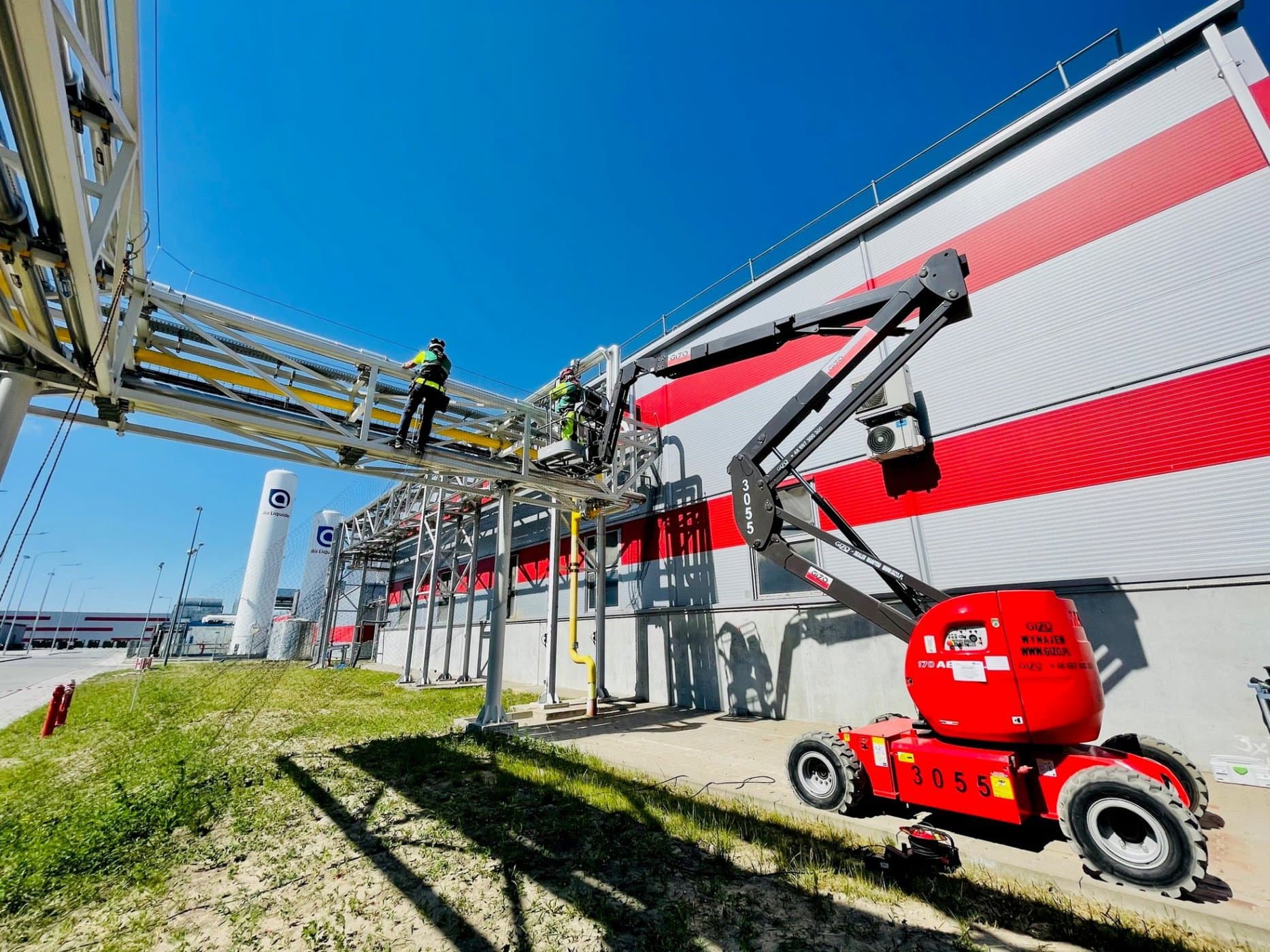
- Bird spikesOne of the most popular and effective solutions is spikes, which are installed on windowsills, windows, eaves and other surfaces where birds can perch. Spikes prevent birds from settling in a given place, as their sharp ends make it impossible for birds to find a stable landing surface. The installation of spikes requires precise execution, especially in hard-to-reach places, which means that services based on industrial rope access rope access work is becoming very popular in cities such as Gdańsk, Gdynia and Sopot.
- Safety netsNets are another effective method of protecting buildings. They are installed on surfaces that birds regularly visit, such as balconies, eaves or roofs. Nets prevent not only birds from settling, but also from flying inside buildings. Their installation, much like in the case of spikes, requires working at height and precise fitting to the building facade. In the Tricity, where buildings have various shapes and heights, such protections are often installed by professional companies dealing with industrial rope access.
- Pastes and repellentsThere are also special substances that can be applied to surfaces where birds like to perch. These are, for example, strongly scented pastes or substances that cause discomfort for birds. This method is not as popular as spikes or nets, but in combination with other solutions, it can prove effective.
Bird deterrents – variable temporary solutions
Bird deterrents are measures aimed at discouraging birds from visiting specific locations. These methods are usually not permanent, and their effectiveness can vary depending on the situation and the time of year. The purpose of these methods is to quickly and temporarily get rid of birds from specific areas.
Types of bird deterrent methods:
- Acoustic deterrent systemsOne of the more popular solutions in cities is the installation of sound systems that emit noises to deter birds. This can be a recording of predator sounds, which naturally scare away pigeons, gulls and other birds. These systems can be set to a specific frequency, allowing them to operate effectively. Such devices can be used both on residential buildings and on the roofs of large structures in the Tricity. They require proper installation, which is often carried out by rope access specialists to ensure operational effectiveness.
- Glowing and flashing devicesBirds are very sensitive to sudden changes in light, which is why flashing lights are also used to deter them. Devices of this type, although effective, may be considered less aesthetically pleasing, which is why they are often used in industrial spaces or on the roofs of buildings in Gdańsk, Gdynia and Sopot, where aesthetics are not a priority.
- Scent repellentsSome companies offer olfactory solutions, such as preparations that emit scents unpleasant to birds. Such agents can be sprayed on surfaces where birds land. This is a temporary method requiring frequent application.
What are the main differences between these methods?
- DurabilityProtective methods, such as spikes or protective nets, are long-term solutions that effectively prevent birds from settling for a long time. Bird deterrents, such as sound or scent systems, work temporarily and require periodic intervention.
- EffectivenessMeasures such as spikes and netting provide the highest effectiveness, as they physically prevent birds from settling in a given area. Audio and olfactory deterrents can be less effective, as birds may become accustomed to these stimuli over time.
- CostSecurity measures require higher capital expenditure on installation, but are more cost-effective in the longer term as they do not require continuous maintenance. Deterrence is cheaper in the initial phase, but may involve higher costs in the longer term due to the need for frequent interventions.
- AestheticsSpikes and protective netting are more discreet, whereas sound or light devices can affect the aesthetics of a building, especially in the historic parts of the Tri-City.
Summary
The decision to choose a method for protecting a building against birds or deterring them depends on many factors, including the type of building, location, and the owners' expectations. In the Tri-City, where tall buildings and urban spaces create favourable conditions for birds, the use of protective methods such as spikes and nets, combined with appropriate deterrent systems, can effectively solve the problem. In the case of work at height, it is worth using the services of professional companies that specialise in industrial rope access to ensure the safety and efficiency of the carried out work.