Employment contracts (Świadectwo pracy) under PIP scrutiny – how to prepare your company for an inspection?
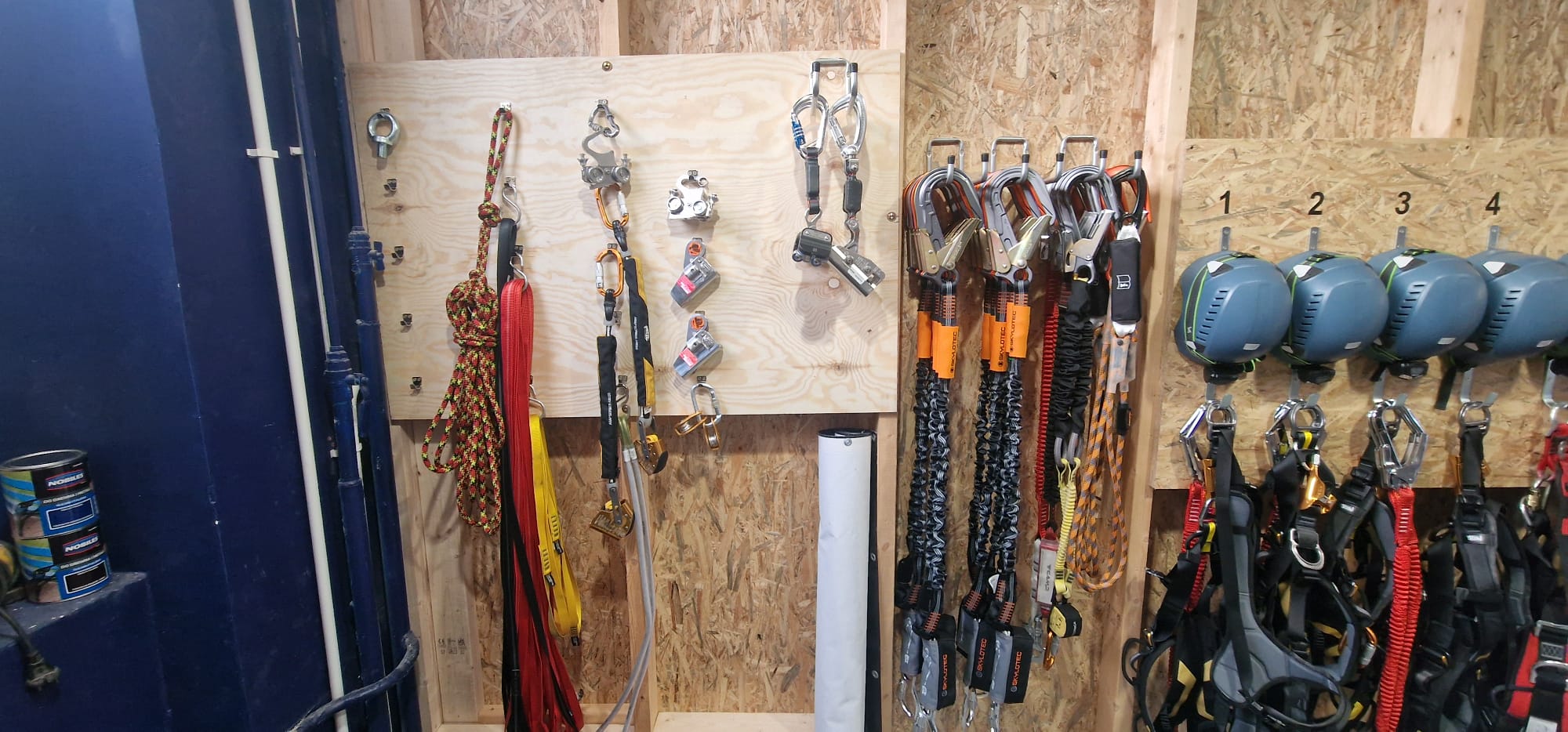
National Labour Inspectorate inspections are a source of stress for many employers, particularly when they concern the areas of health and safety and Personal Protective Equipment. During an inspection, the PIP thoroughly analyses whether the protective equipment used by employees meets legal requirements, is in good technical working order, and has up-to-date inspections.
One of the most common problems revealed during inspections is the lack of regular PPE inspections or carrying them out solely „on paper”. Inspectors pay attention not only to the equipment itself, but also to the documentation confirming its inspection. The lack of reports, illegible entries or missing signatures of authorised persons are treated as serious irregularities.
Preparing a company for a National Labour Inspectorate (PIP) inspection regarding PPE should begin with verifying the technical condition of all protective equipment. Every item should have an up-to-date inspection, and worn or damaged equipment must be withdrawn from use. It is equally important to check that the inspection documentation is complete and complies with applicable regulations.
Many employers try to carry out PPE inspections themselves, but during a National Labour Inspectorate (PIP) inspection it often turns out that the person performing the assessment does not hold the appropriate qualifications or is not familiar with current standards. In such cases, the inspector may challenge the inspection, which in practice means it is considered not to have been done.
PIP vs SOI
PIP and SOI inspection – what can you expect?
During an inspection, the National Labour Inspectorate checks very thoroughly:
- technical condition of Personal Protective Equipment,
- validity of statutory thorough examinations,
- service history,
- hardware compliance with standards,
- the manner in which employees use PPE.
Deficiencies in this area are one of most common causes of irregularities.
Most common errors detected by the National Labour Inspectorate
During inspections, the National Labour Inspectorate (PIP) regularly reveals:
- lack of periodic SOI inspections,
- paper-based inspections,
- lack of documentation or illegible reports,
- use of equipment past its expiry date,
- lack of staff training on the use of PPE.
How to prepare a company for a National Labour Inspectorate (PIP) inspection?
To avoid issues, you should:
- Check the completeness and technical condition of the personal protective equipment.
- Ensure all service checks are up to date.
- Verify the documentation (protocols, equipment cards).
- Withdraw worn or damaged equipment.
- Ensure that employees are familiar with the rules for using PPE.
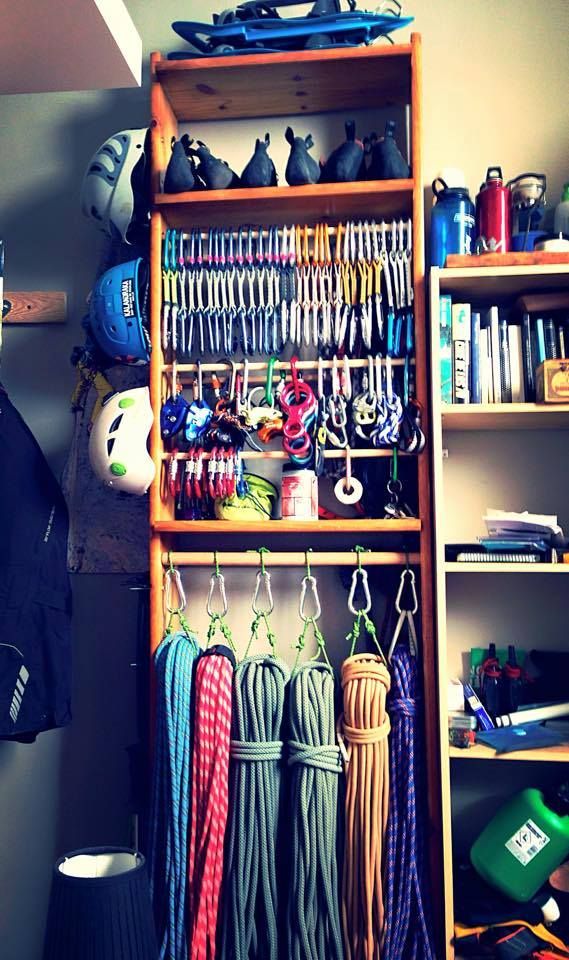
Documentation – the key to a successful inspection
For the National Labour Inspectorate, not only equipment matters, but also evidence of his control. The documentation should include:
- inspection dates,
- scope of control,
- signature of authorised person,
- the decision on the approval or withdrawal of equipment.
Incorrect documentation is treated as a lack thereof.
Why are internal reviews not enough?
Although some companies try to carry out inspections themselves, the National Labour Inspectorate (PIP) often challenges:
- lack of authorising powers of the inspecting officer,
- non-compliance with standards,
- insufficient technical knowledge.
To pass a PIP inspection without the risk of penalties and work downtime, PPE inspections should be carried out by qualified specialists. HI URBAN I offer comprehensive health and safety audits, reliable documentation and practical preparation of the company for a National Labour Inspectorate inspection.