Periodic inspections of PPE in 2026 – what every employer must know
Personal Protective Equipment plays a key role in ensuring worker safety, particularly in industries where mechanical, height-related or chemical hazards are present. In 2026, employers' obligations regarding PPE remain unambiguous – protective equipment must not only be provided, but also regularly inspected for its technical condition and compliance with applicable regulations.
PPE inspections are not a good practice, but an obligation resulting from the Labour Code, occupational health and safety regulations and European standards. The employer is responsible for ensuring that the equipment used by employees is functional, properly selected and authorised for use. In 2026, particular attention is paid to documenting inspections and their compliance with manufacturers' recommendations. A lack of up-to-date checks or improperly maintained documentation may be considered a breach of regulations.
The frequency of PPE inspections depends on the type of equipment and the intensity of its use. Periodic inspections carried out at least once a year are most commonly required, but in the case of work in harsh conditions or following hazardous incidents, additional checks may be necessary. Equipment that has not passed an inspection or raises doubts as to its safety should be immediately withdrawn from service.
Neglecting PPE inspections carries serious consequences. In addition to the risk of an occupational accident, the employer exposes themselves to financial penalties, work stoppage orders, and in extreme cases, criminal liability. In the event of an accident, a lack of up-to-date PPE inspections may also result in problems with insurance and civil liability.
In practice, the proper execution of PPE inspections requires technical knowledge, familiarity with standards and experience in assessing the degree of equipment wear. Therefore, a growing number of companies choose to outsource these activities to external entities.
GENERAL OVERVIEW ABC
What are SOIs and why are they of key importance in a company?
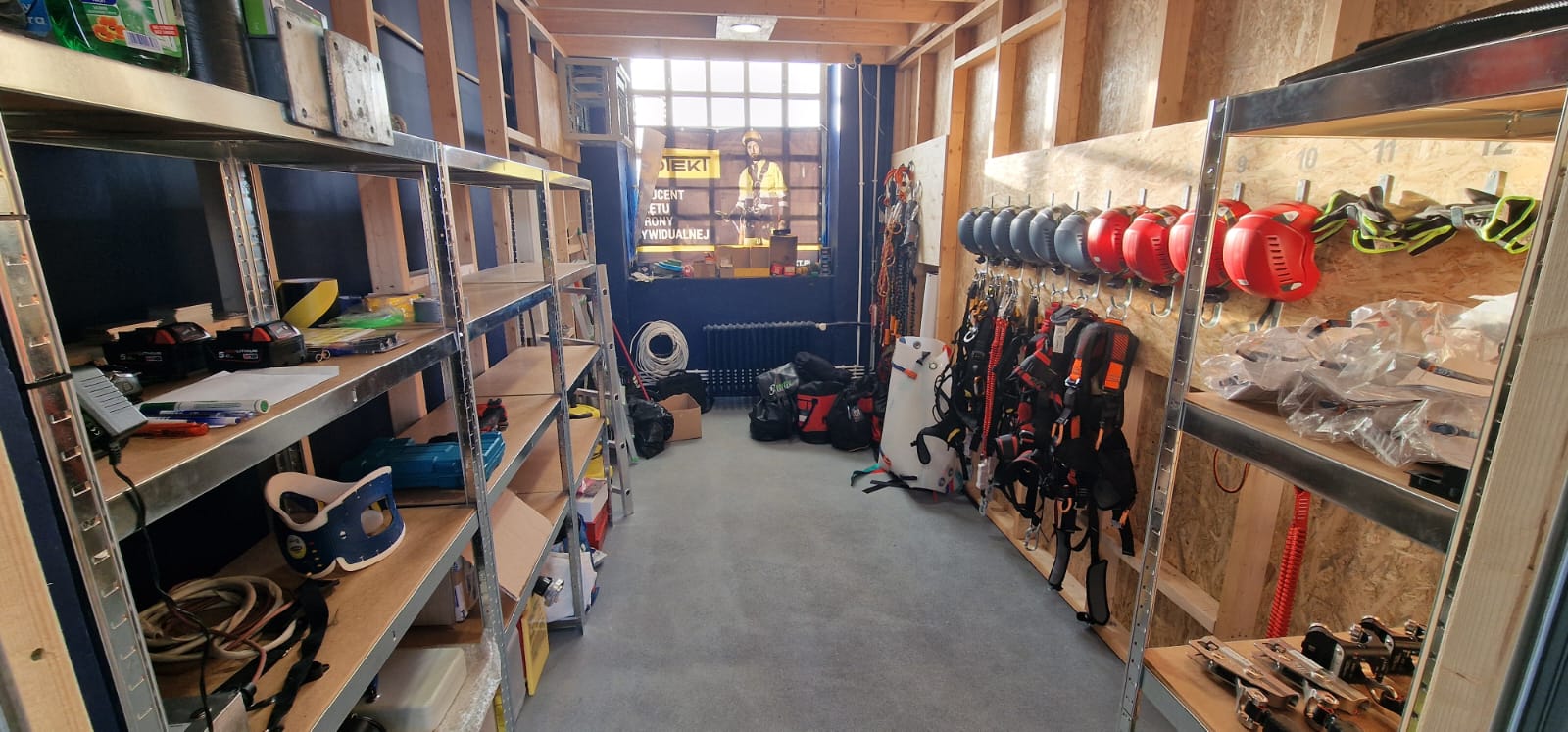
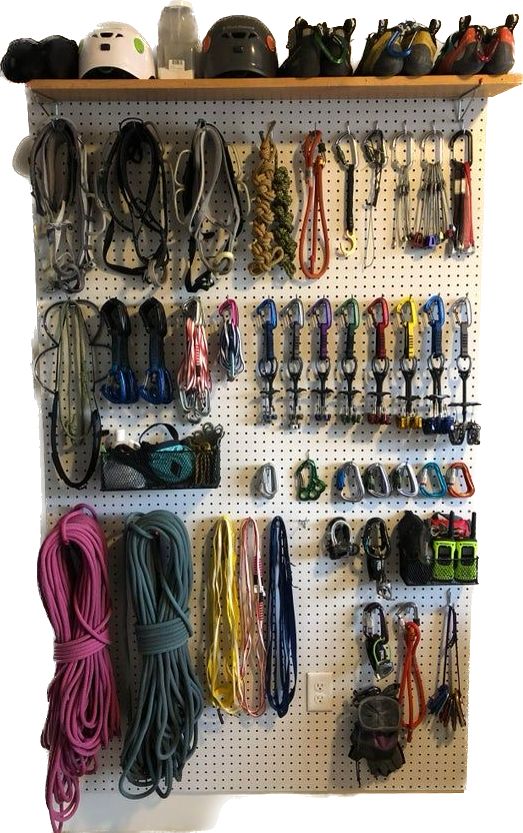
Personal Protective Equipment (PPE) is any equipment designed to protect employees against hazards present in the workplace. These include, among others:
- harnesses and belay systems,
- safety helmets,
- safety links,
- double-action hooks, shock absorbers,
- access equipment.
Their proper technical condition directly affects the health and lives of employees, while simultaneously bearing the legal liability of the employer.
PPE inspections in 2026 – what does the law say?
In 2026, employers' obligations regarding PPE stem, among others, from:
- Labour Code,
- Health and safety regulations,
- European standard (e.g. PN-EN),
- manufacturers' equipment instructions.
The employer has a duty to:
- provide employees with efficient and certified PPE,
- carry out regular periodic inspections of the equipment,
- keep records confirming the checks,
- phase out non-compliant equipment.
Lack of up-to-date inspections in 2026 is treated as serious breach of health and safety regulations.
How often should PPE inspections be carried out?
The frequency of servicing depends on:
- equipment type,
- intensities of use,
- working conditions,
- manufacturer's recommendations.
Most frequently:
- at least once a year – routine service,
- on each occasion following a fall, overload or hazardous event,
- before releasing the equipment for operation again.
Consequences of lacking SOI inspections
Outdated or improperly conducted inspections may result in:
- mandates and financial penalties,
- suspension of work by the National Labour Inspectorate,
- criminal liability of the employer,
- insurance problems after an accident,
- real threat to the health or life of employees.
Why is it worth commissioning PPE inspections to specialists?
PPE inspections require:
- technical knowledge,
- knowledge of standards and regulations,
- experience in assessing equipment wear and tear,
- appropriate documentation.
To ensure that Thorough Examination inspections in 2026 are carried out in accordance with regulations and do not expose the company to risk, it is worth entrusting them to specialists. HI URBAN carries out professional PPE inspections, provides full documentation and practical support in the field of occupational safety.